

THE ADAPTIVE NERVOUS SYSTEM
Self-Defense Through Martial Arts
Created by Danielle Pashko, Founder of Soulhakker™, in collaboration with Sifu Allan Horton of Alpaca Wing Chun, the workshop brings together nervous-system education, Qigong and mind-body practices with expert Wing Chun instruction and practical self-defense.
Train the Body. Sharpen the Brain. Build the Capacity to Respond.
Self-defense is about more than knowing how to protect yourself physically.
It is about awareness. Balance. Coordination. Confidence.
And what happens inside your body when something unexpected occurs.
Do you freeze? Panic? Lose your footing?
Or can you stay present, assess what is happening, and respond?
The Adaptive Nervous System combines practical Wing Chun self-defense with Qigong, movement, breath, balance, and nervous-system awareness to help participants explore how the brain and body work together under pressure.
No previous martial arts experience is required.
Self-Defense Is More Than Physical Strength
Traditional self-defense often focuses on what to do once a threat occurs.
This workshop starts earlier.
How aware are you of your surroundings?
How well do you know where your body is in space?
Can you maintain your balance when something disrupts you?
Can your brain process information while your body is moving?
What happens to your thinking when you feel pressure?
And once your nervous system becomes activated, how easily can you recover?
These are not just martial arts questions. They are questions about how we move through everyday life.
MEET THE TEAM BEHIND THE WORKSHOP
-

DANIELLE PASHKO, FOUNDER OF SOULHAKKER
Functional Nutritionist • Health Coach • Movement & Nervous System Educator
Danielle’s work explores the intersection of physical health, nervous-system regulation, movement and resilience.
After decades working in health and wellness, and navigating her own complex health journey, she became deeply immersed in Qigong, Tai Chi and, more recently, Wing Chun as a dedicated student and practitioner.
Her experience with these practices helped shape the philosophy behind Soulhakker™: Don't simply push the body harder. Train it to become more adaptable.
In The Adaptive Nervous System, Danielle brings the mind-body, movement and nervous-system perspective, while Sifu Allan Horton leads the Wing Chun instruction and practical self-defense components.
-
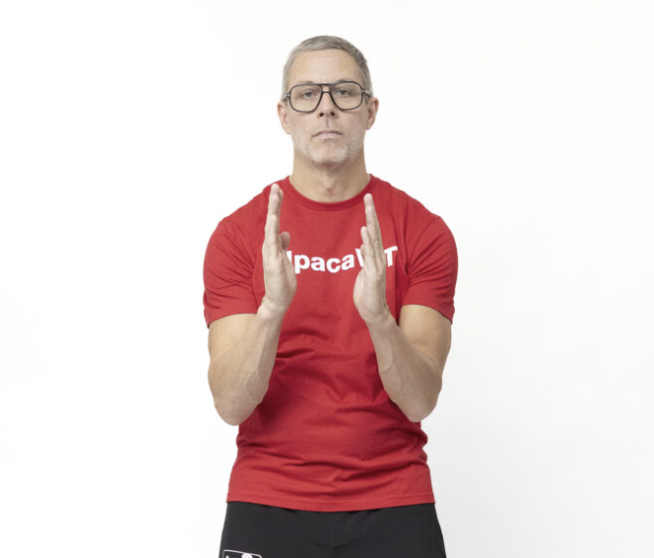
SIFU ALLAN HORTON OF ALPACA WING CHUN
Wing Chun Instructor • Martial Arts Educator
Sifu Allan Horton brings decades of martial arts knowledge and Wing Chun instruction to the workshop.
His teaching emphasizes practical self-defense alongside the foundational Wing Chun principles of structure, sensitivity, efficiency, positioning and intelligent response.
Rather than relying solely on size or strength, participants are introduced to ways of using awareness, body mechanics and technique to respond more effectively.
Together, Danielle and Sifu Allan bring two complementary perspectives to the workshop, traditional martial arts instruction and modern mind-body wellness, creating an experience designed to be practical, engaging and immediately applicable.
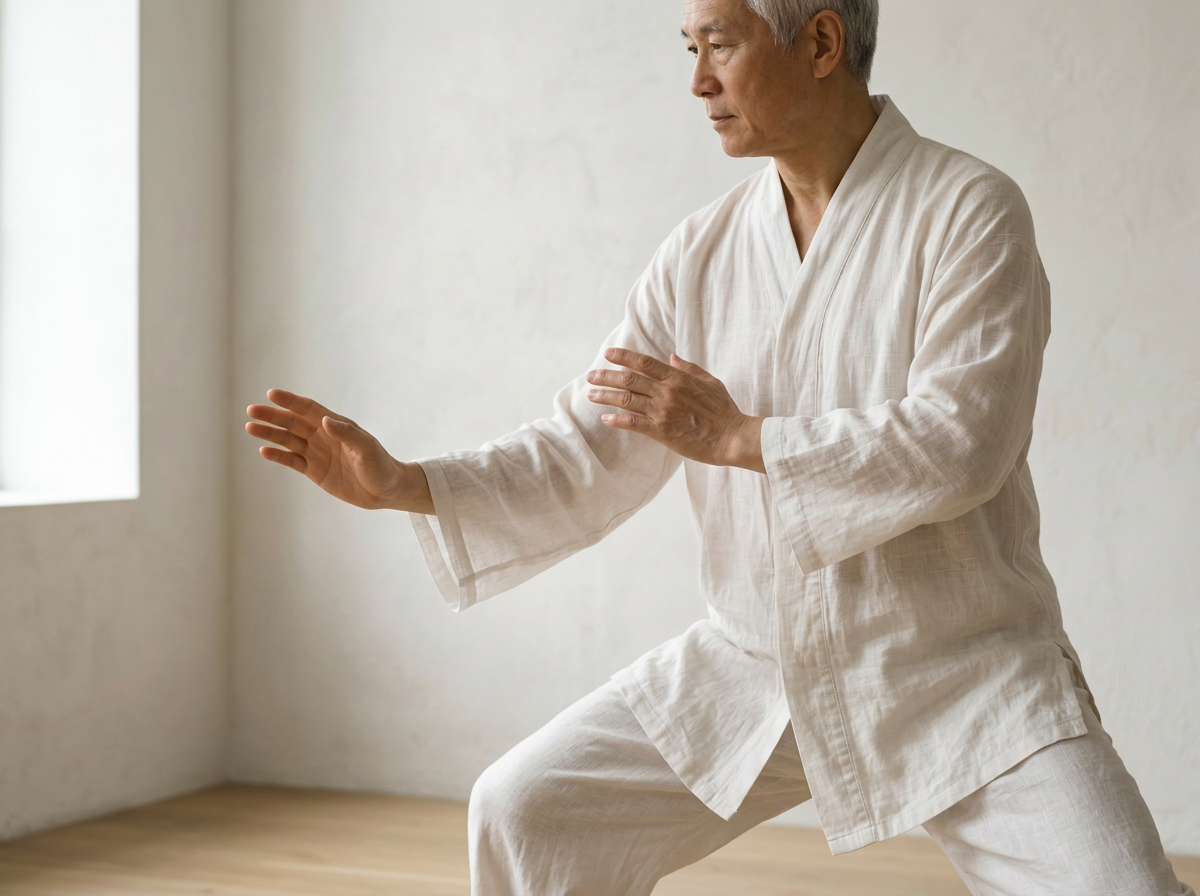
WORKSHOP CAN BE CUSTOMIZED FOR:
-
Corporate Wellness Programs
An experiential approach to stress, adaptability, body awareness, and responding under pressure.
-
Retreats + Wellness Communities
A mind-body experience combining martial arts, Qigong, movement, awareness, and regulation.
-
Women's Groups
Practical self-defense, boundaries, confidence, situational awareness, and learning to trust the body's signals.
-
Conferences + Wellness Events
An interactive session that gets participants out of their chairs and turns nervous-system education into a physical experience.
-
Private Groups + Organizations
Customized workshops based on the needs, abilities, and goals of the group. A unique experience that brings people together through movement, awareness, and practical skills.
-
Modeling & Talent Agencies
Build body awareness, confidence, situational awareness, and practical self-defense skills for navigating travel, castings, sets, events, and unfamiliar environments.
What Participants Can Expect
Every workshop is customized to the audience and environment and may incorporate:
Practical Wing Chun self-defense principles
Situational and spatial awareness
Stance, structure and positioning
Balance and proprioception exercises
Coordination and reaction drills
Accessible partner exercises
Qigong and intentional movement
Breath and nervous-system regulation techniques
Strategies for staying present under pressure
No previous martial arts experience is required.
Sessions can be adapted for different ages, fitness levels and physical abilities.


Why We Pair Wing Chun With Qigong
Not every form of training needs to push the body harder.
Qigong uses intentional movement, posture, breathing, and focused attention to cultivate greater body awareness and a more regulated internal state.
In the context of self-defense, that matters.
The ability to respond to pressure is only one side of resilience. The ability to recover from it is the other.
Wing Chun trains the response.
Qigong trains the return.
Together, they create a different approach to self-defense, one that explores both activation and recovery.
Why Wing Chun?
Wing Chun is a traditional Chinese martial art built around efficiency, structure, sensitivity, positioning, and intelligent response rather than brute strength.
That makes it a powerful framework for exploring the connection between the brain, body, and nervous system.
When learning martial arts, the brain has to do several things at once: understand where the body is in space, coordinate the hands and feet, maintain balance, read another person's movement, process incoming information, make a decision, and adapt.
You are solving problems with your body.
That is where martial arts becomes much more than learning how to throw a punch.
BRING THE ADAPTIVE NERVOUS SYSTEM TO YOUR ORGANIZATION
Give your team or community something they can take with them long after the workshop ends:
Greater awareness of their bodies.
Practical self-defense skills.
Better understanding of how they respond under pressure.
And simple tools they can use to shift their physical and mental state.
Build Awareness. Build Confidence. Build Capacity.
What You're Actually Training
BALANCE & BODY AWARENESS
Wing Chun footwork, stance work, directional changes, and partner exercises challenge proprioception, your internal sense of where your body is in space.
Participants practice recognizing their center of gravity, maintaining structure, adjusting their position, and responding when an outside force changes their balance.
FOCUS & ADAPTABILITY
Learning unfamiliar movement while responding to another person requires attention, working memory, coordination, decision-making, and cognitive flexibility.
Instead of rehearsing movement in isolation, participants practice paying attention and adapting in real time.
NERVOUS SYSTEM REGULATION
When we perceive threat, pressure, or overwhelm, the nervous system can move into familiar survival responses such as fight, flight, or freeze.
Controlled partner exercises, intentional movement, breath, and Qigong give participants an opportunity to notice those responses while practicing how to remain present and regain composure.
The goal is not to remain calm every second. The goal is to build the capacity to move between activation and recovery.
COORDINATION & REACTION
Wing Chun develops communication between the eyes, brain, hands, feet, and center of the body.
Partner exercises require participants to notice movement, feel changes in pressure and direction, and adjust their response rather than relying on a memorized sequence.
CONFIDENCE & SITUATIONAL AWARENESS
Physical self-defense begins long before physical contact.
Participants explore awareness of their environment, posture, positioning, boundaries, and the internal signals that tell us when something does not feel right.
Because confidence is not simply believing you can defend yourself. It is becoming more aware of yourself before you ever need to.
-
The Adaptive Nervous System
Modern wellness talks a lot about becoming calm.
But life is not always calm.
Sometimes we need to become alert.
Sometimes we need energy and decisive action.
Sometimes we need to think while our heart is racing.
And sometimes we need to recognize that the threat has passed and allow ourselves to come back down.
A resilient nervous system is not one that never becomes activated.
It is one that has range.
The Adaptive Nervous System is built around that idea.
We are not training people to avoid pressure.
We are training the capacity to meet it.
FAQ
-
The Adaptive Nervous System is an experiential self-defense and nervous-system workshop combining Wing Chun Kung Fu, Qigong, movement, breath, balance, and body awareness.
Led by Danielle Pashko, Founder of Soulhakker™, and Sifu Allan Horton of Alpaca Wing Chun, the workshop explores not only how to physically respond to pressure, but how the brain, body, and nervous system work together when something unexpected happens.
-
Not at all. The workshop is designed to be accessible to beginners, including people who have never taken a martial arts or self-defense class before.
Exercises can be adapted for different ages, fitness levels, and physical abilities. The emphasis is on awareness, movement, positioning, coordination, and practical principles rather than athletic performance.
-
Not exactly. Participants will learn practical principles from Wing Chun and explore real-world self-defense concepts, but the workshop goes beyond physical techniques.
We also look at situational awareness, balance, boundaries, coordination, reaction, and what happens to the nervous system under pressure. The goal is to help participants become more aware of how they respond physically and mentally when something unexpected happens.
-
Wing Chun and Qigong approach resilience from two complementary directions.
Wing Chun teaches participants to become aware, respond, adapt, and move with intention when confronted with pressure.
Qigong uses intentional movement, posture, breathing, and focused attention to cultivate body awareness and support the transition from activation back toward recovery.
Wing Chun trains the response. Qigong trains the return.
Together, they allow participants to experience both sides of nervous-system adaptability.
Qigong uses intentional movement, posture, breathing, and focused attention to cultivate body awareness and support the transition from activation back toward recovery.
-
Martial arts requires the brain and body to communicate continuously.
Participants have to understand where their bodies are in space, maintain balance, coordinate their hands and feet, notice another person's movement, process incoming information, make decisions, and adapt their response.
Partner exercises also give participants an opportunity to notice what happens when they experience uncertainty or pressure in a controlled environment.
In other words, you are solving problems with your body
-
The workshop can be customized for corporate wellness programs, women's groups, conferences, retreats, private events, wellness communities, talent and modeling organizations, and other groups interested in self-defense, movement, resilience, and nervous-system awareness.
The content and physical exercises can be adjusted based on the audience and setting.
-
Yes. The Adaptive Nervous System can be adapted into an interactive corporate wellness or conference experience that explores stress, awareness, adaptability, movement, and responding under pressure.
Rather than simply listening to another presentation about stress management, participants have an opportunity to physically experience concepts related to attention, coordination, balance, reaction, and recovery.
-
Yes. The format can be adapted based on the group, event setting, physical abilities of participants, and the goals of the organization.
Whether the emphasis is practical self-defense, women's safety and confidence, nervous-system awareness, corporate wellness, or an interactive conference experience, Danielle and Allan can tailor the session accordingly.
-
The Adaptive Nervous System is available for organizations, conferences, retreats, women's groups, corporate wellness programs, private events, and wellness communities.
Contact us at info@soulhakker.com to discuss your audience, event, and goals, and we can determine the best workshop format for your group.
-
Comfortable clothing that allows for easy movement is best. Participants do not need martial arts uniforms or specialized equipment.
Any additional recommendations specific to the location or workshop format can be provided before the event.


